原文:
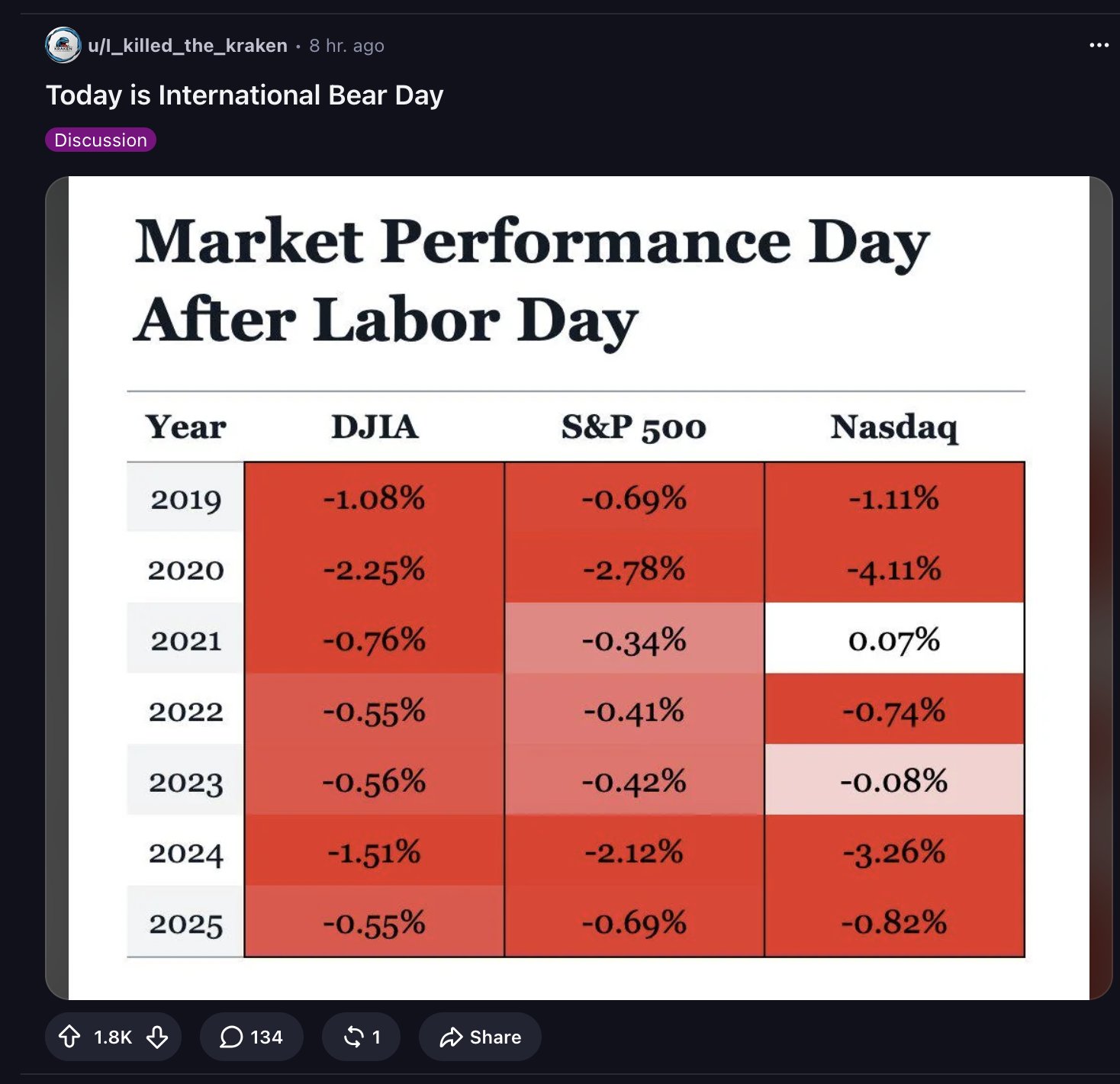
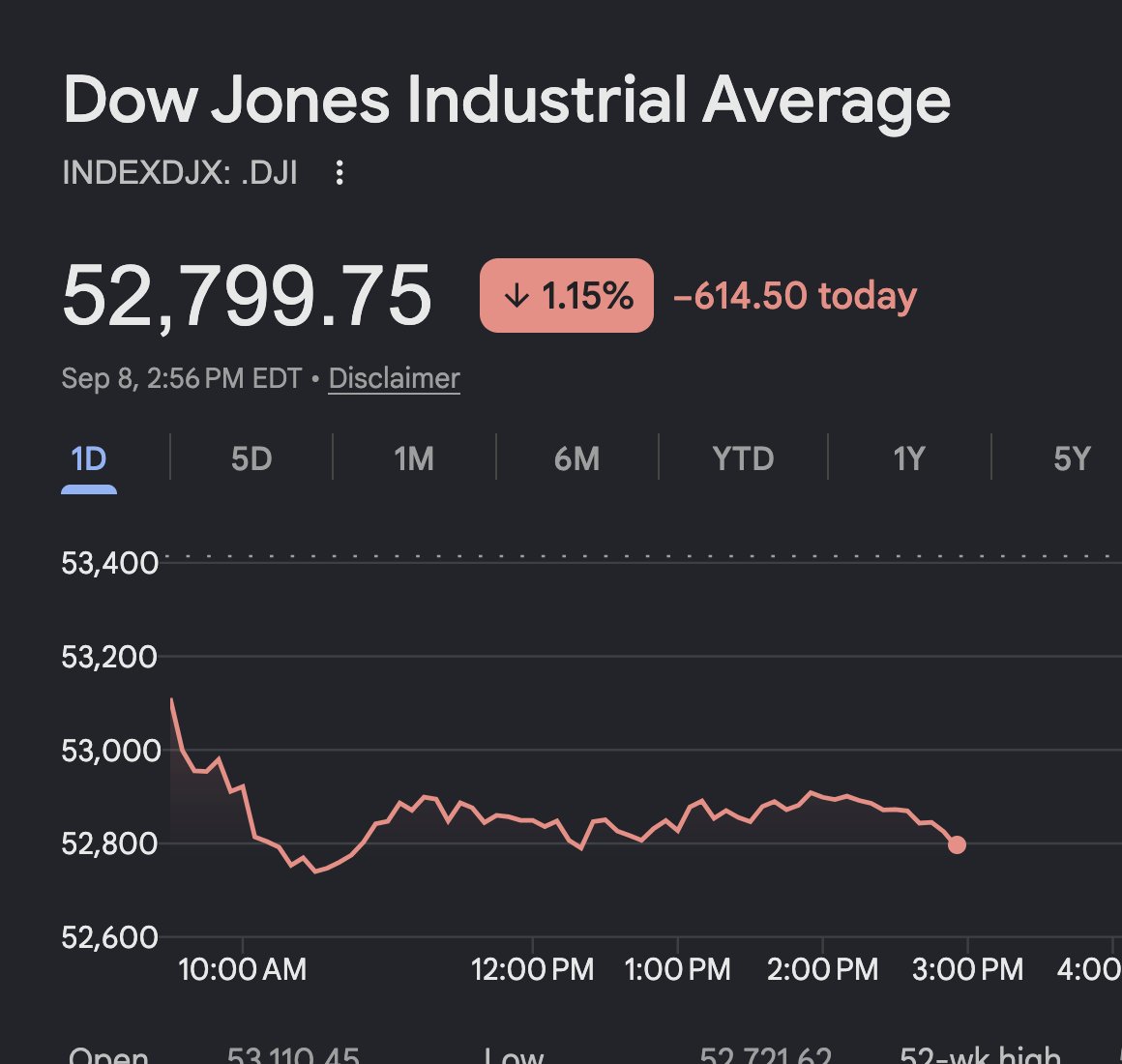
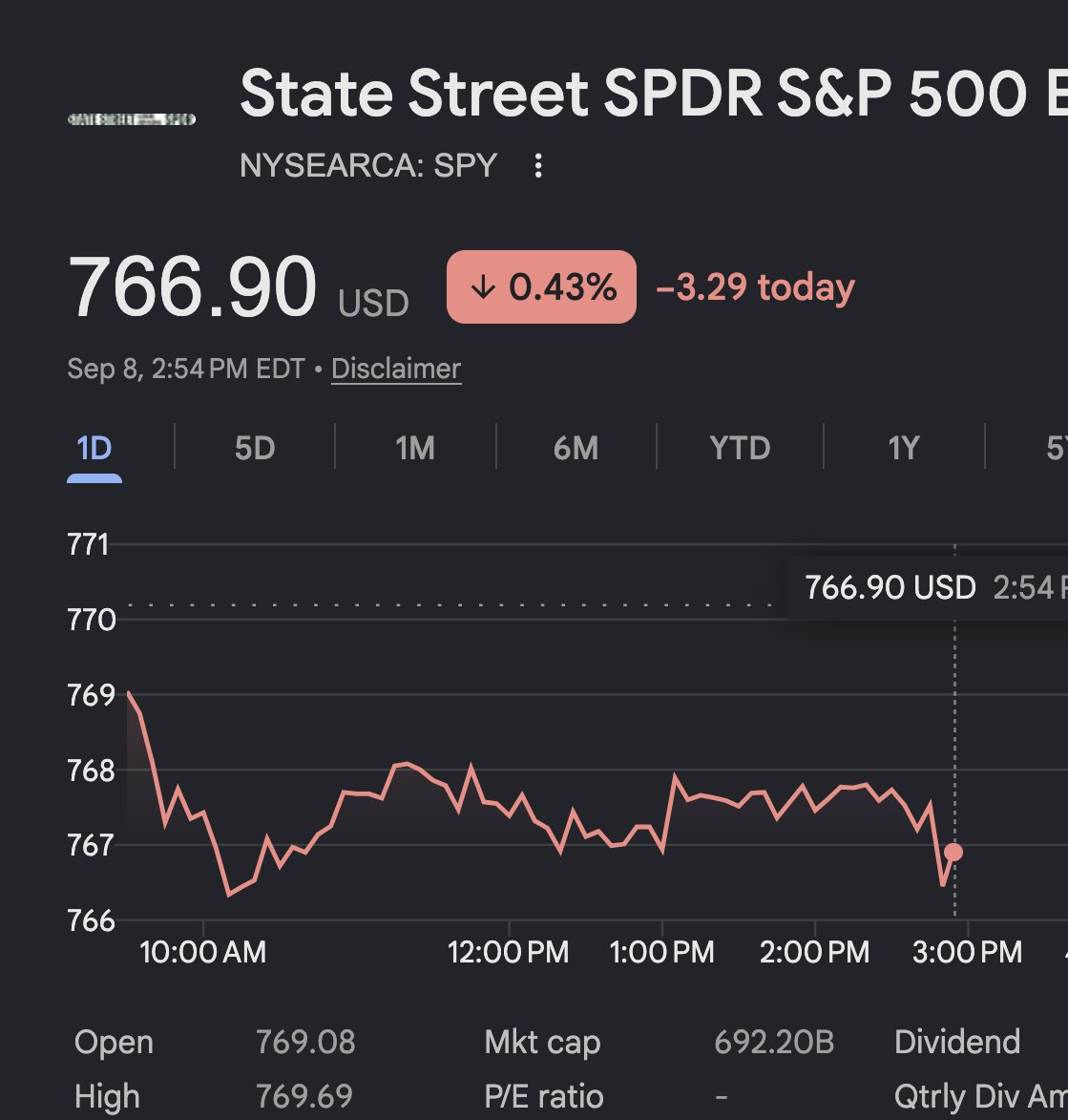
Yep, I'm personally high conviction on the AI trade (especially photonics/memory) despite macro.
- $NVDA gave forecasts for $1.3T hyperscaler capex ($100B+ above BofA analyst expectations)
- $SPCX Wells Fargo forecasts are ~$263B for 2027.
- $127B spend in 2027 for Anthropic/OpenAI model training + inference from internal investor documents (WSJ).
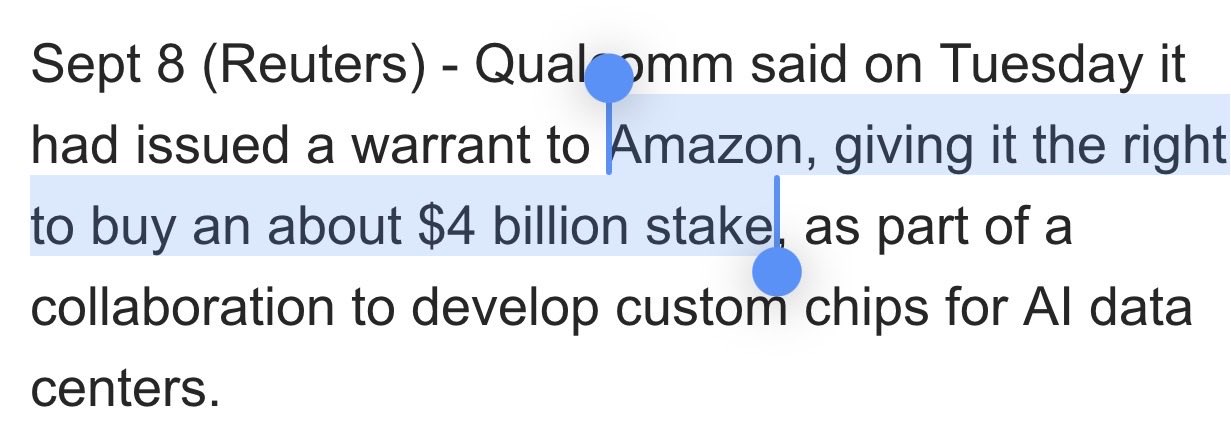
- Even the Pentagon (US gov) is looking to fund the AI buildout, with $5B potentially into Fluidstack.
What sectors do I think capex flows hit the hardest?
Photonics + Memory.
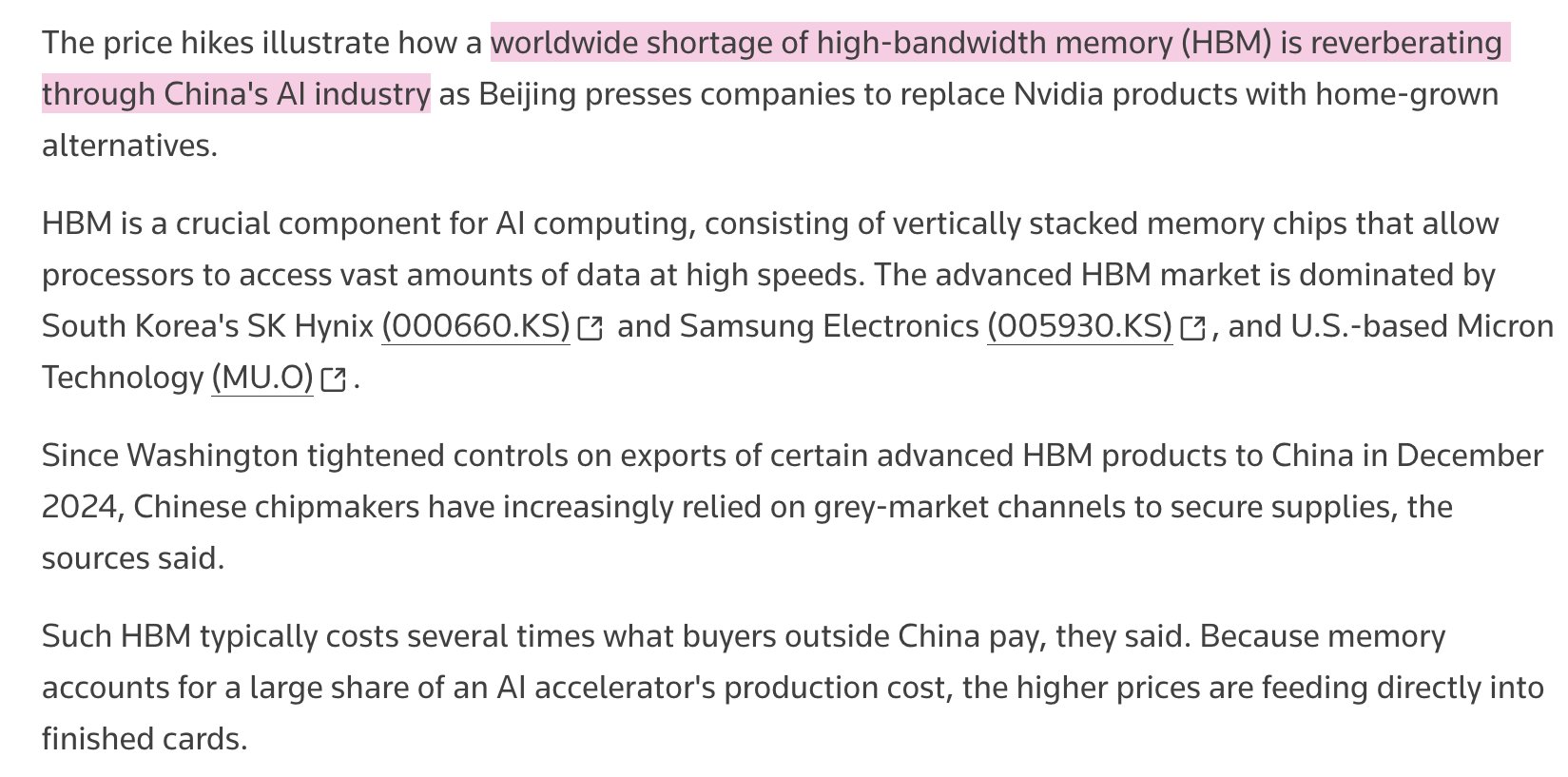
Trendforce for example est. DRAM and NAND to be 68% of hyperscaler capex in 2027.
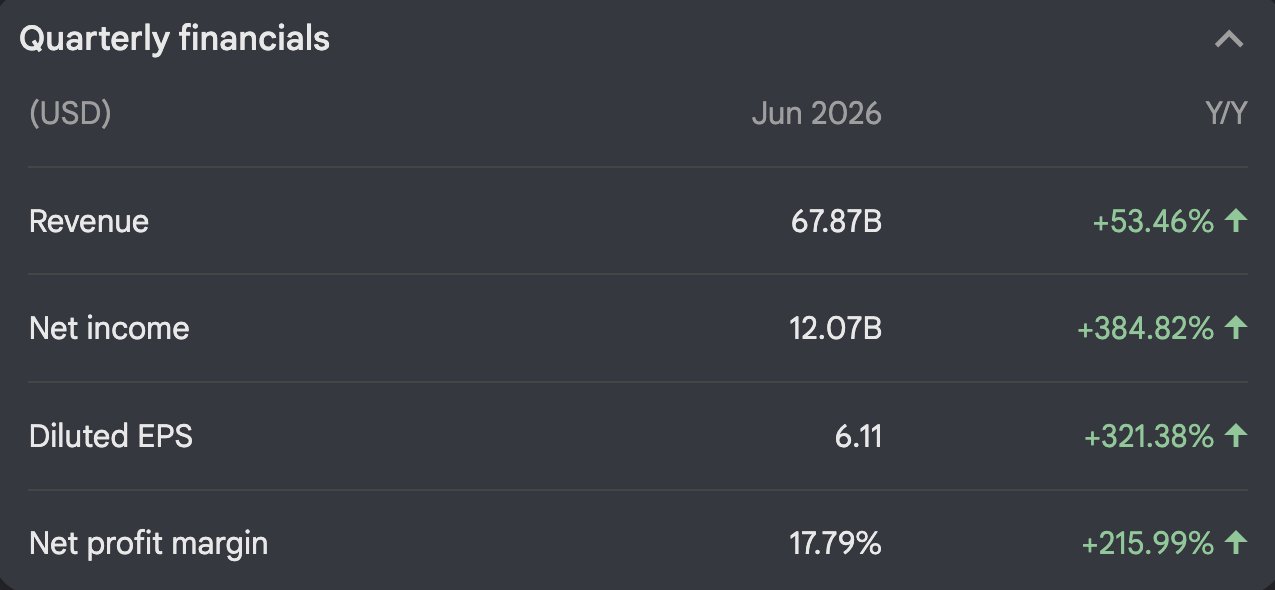
So when all that memory procurement spend hits the balance sheets of $MU, $SNDK, Samsung, $SKHY with 70-80%+ margins.
I don't think these companies care about short term macro scares.
And when your leading memory companies are all allocating capacity for DDR5/HBM or high end memory, with little visibility on legacy memory supply coming online.
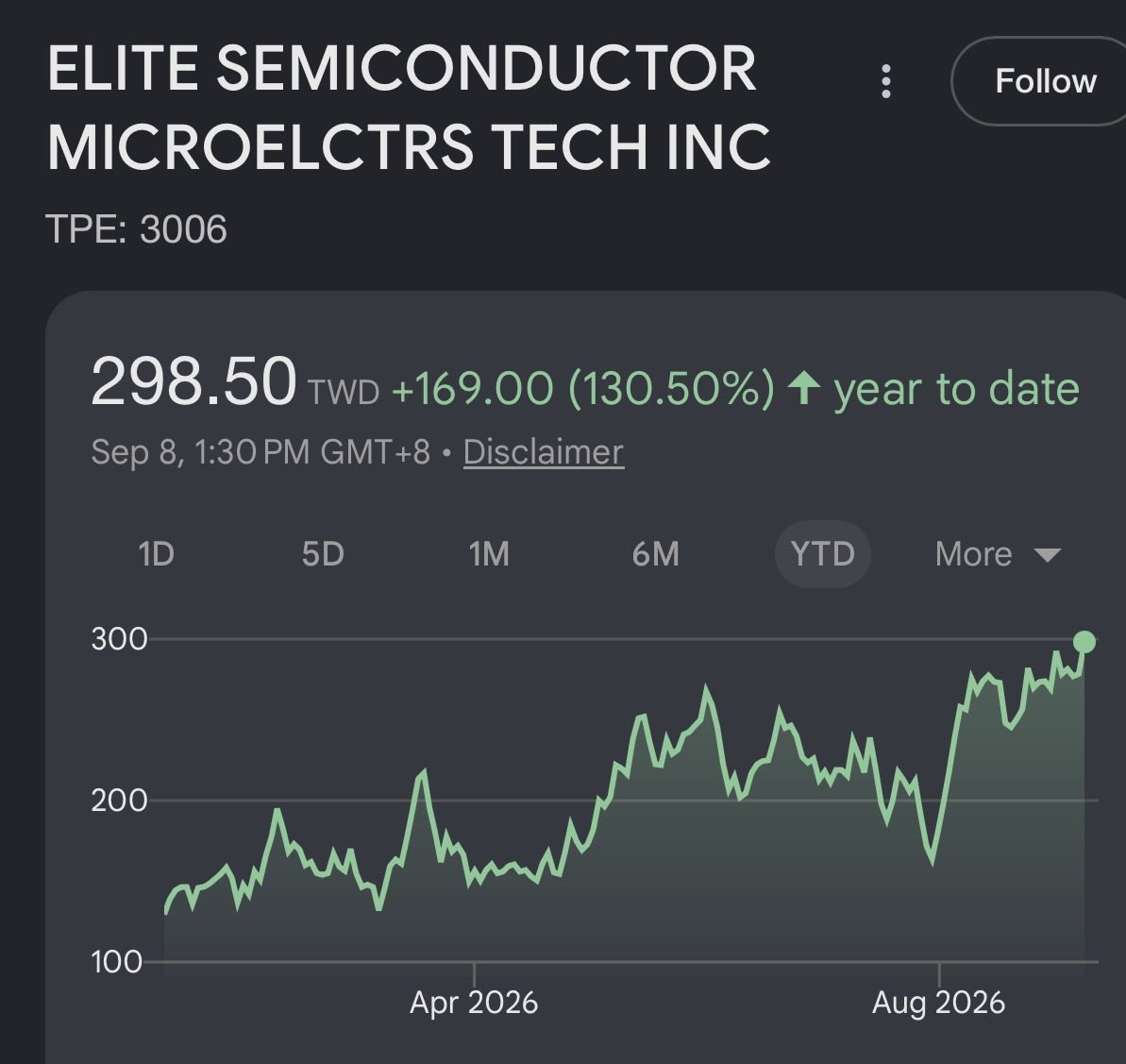
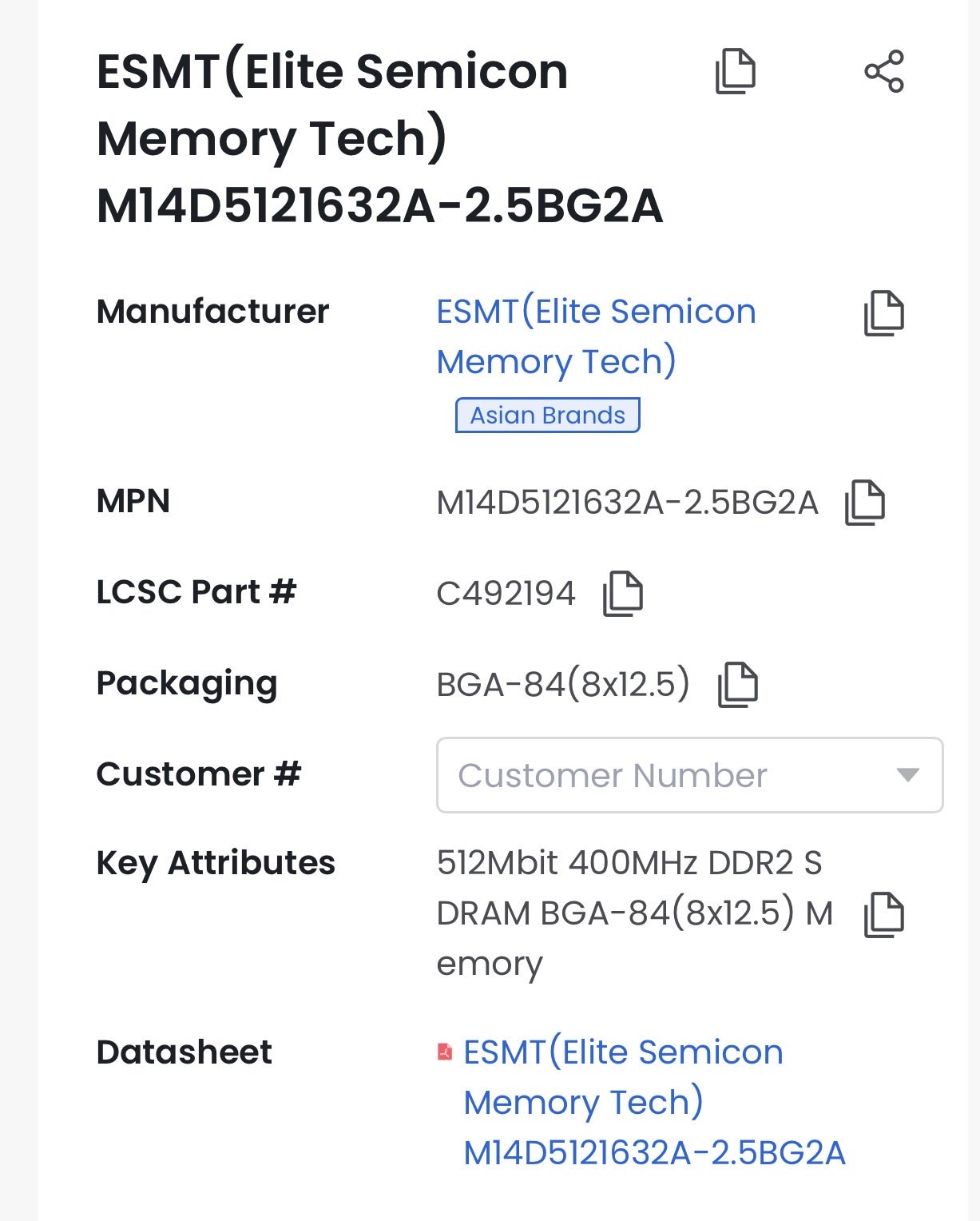
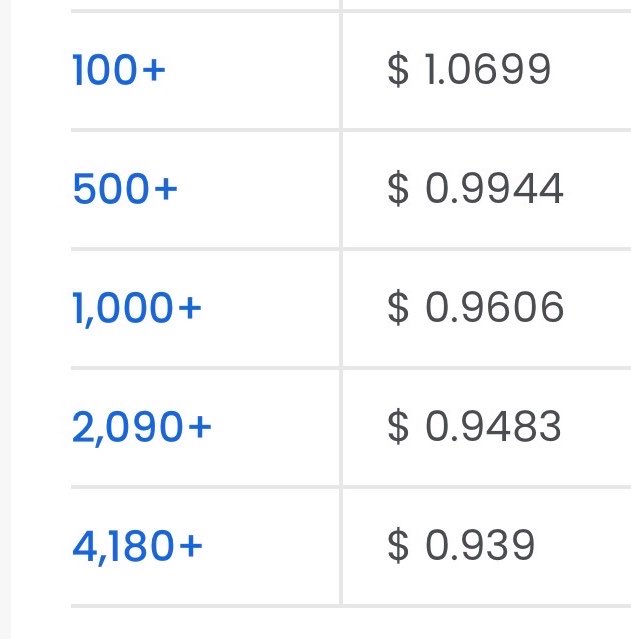
What does that say about the durability of ESMT/Etron/Winbond and others?
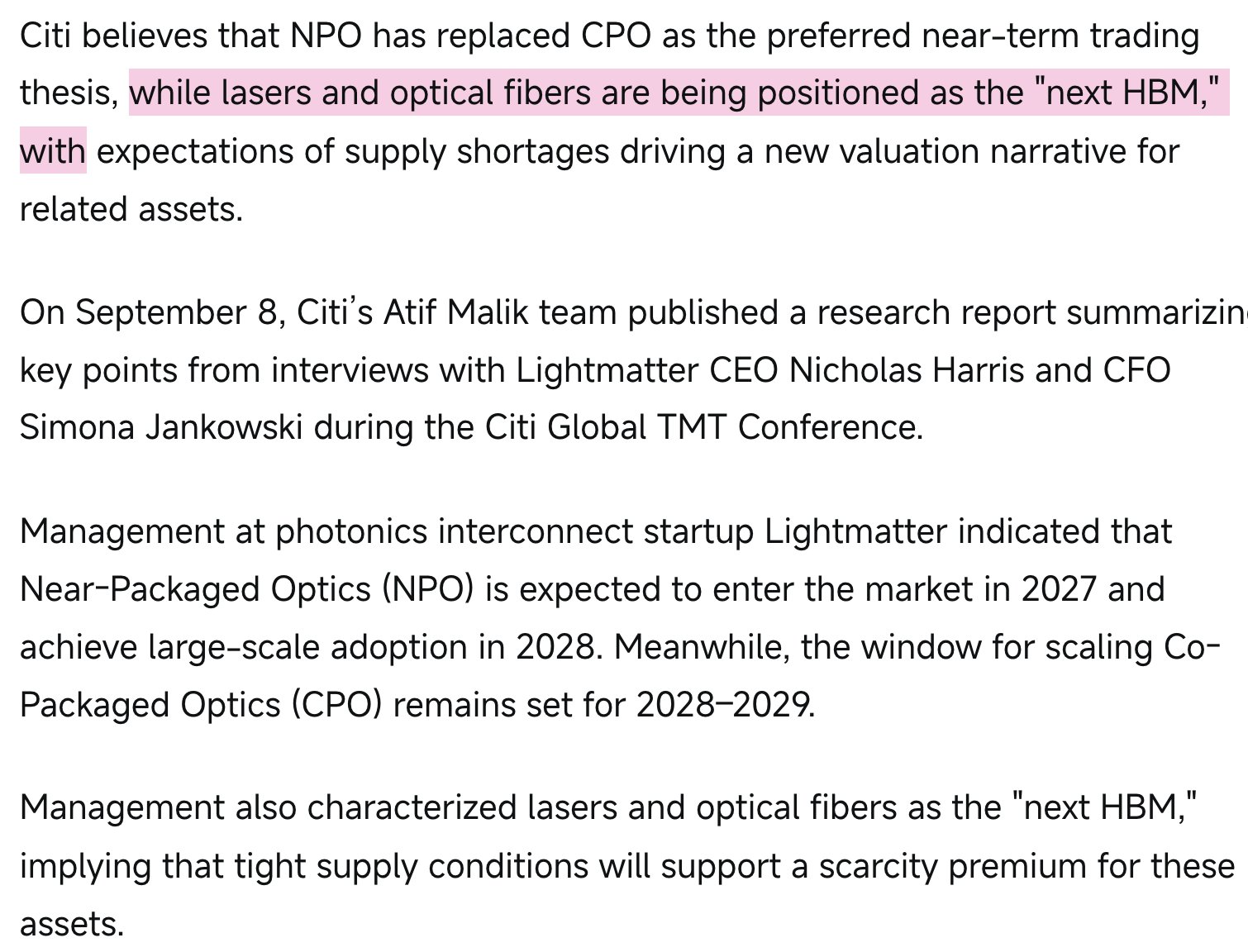
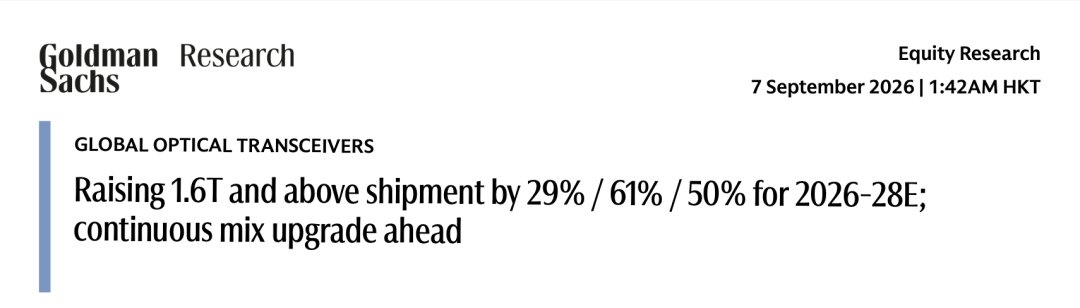
And when your optical content/GPU goes up for rubin ultra + $META / $GOOGL TPU v9, etc. Alongside TAM eg. $131.4 billion (+81% revision) for 2027 optical module forecasts.
Who benefits from supplying all that lasers during a shortage other than $LITE / $SIVE / $AAOI / $COHR?
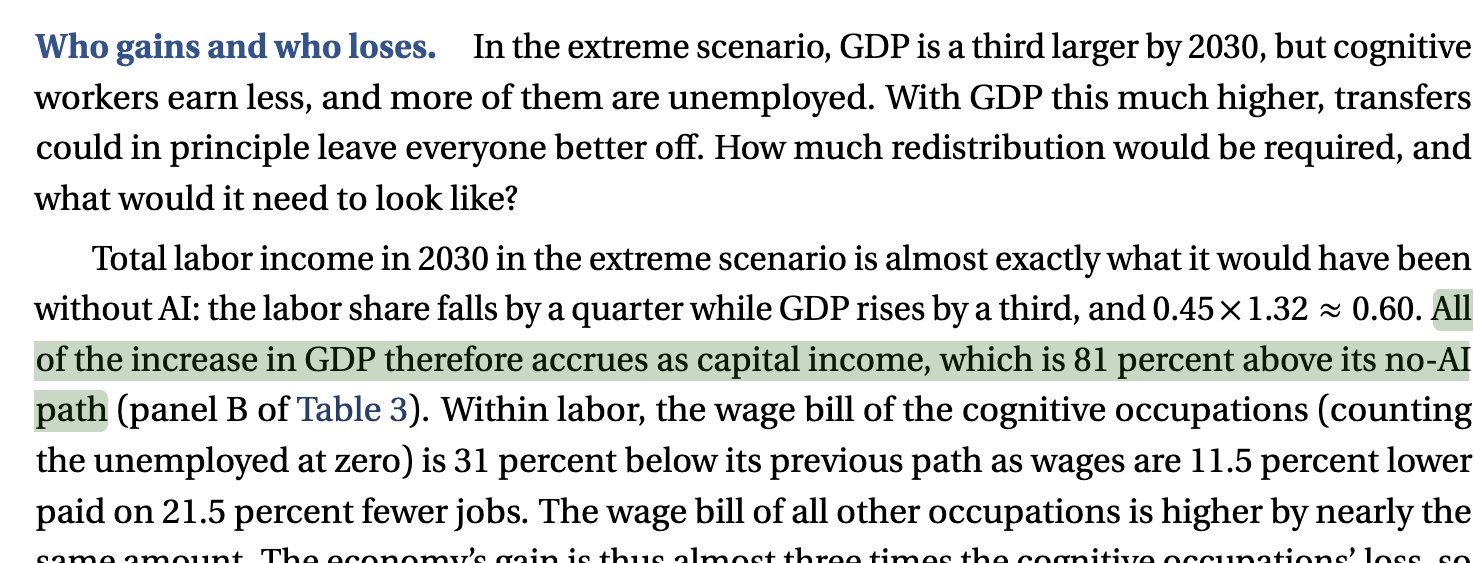
I think the overwhelming fundamentals + growth of some of the AI sector companies will outperform macro.
翻译:
是的,尽管宏观环境,我个人对AI交易(尤其是光子学/内存)高度确信。
- $NVDA 预测超大规模算力公司资本支出为 1.3 万亿美元(比 BofA 分析师预期高出 1000 亿美元以上)
- $SPCX Wells Fargo 预测 2027 年约为 2630 亿美元。
- 内部投资者文件(华尔街日报)显示,2027 年 Anthropic/OpenAI 的模型训练和推理支出为 1270 亿美元。
- 即使是美国国防部也在考虑为 AI 建设提供资金,可能向 Fluidstack 投入 50 亿美元。
我认为资本支出最集中在哪些领域?
光子学 + 内存。
例如,Trendforce 估计 2027 年 DRAM 和 NAND 将占超大规模算力公司资本支出的 68%。
因此,当所有这些内存采购支出计入 $MU、$SNDK、Samsung、$SKHY 的资产负
Yep, I'm personally high conviction on the AI trade (especially photonics/memory) despite macro.
- $NVDA gave forecasts for $1.3T hyperscaler capex ($100B+ above BofA analyst expectations)
- $SPCX Wells Fargo forecasts are ~$263B for 2027.
- $127B spend in 2027 for Anthropic/OpenAI model training + inference from internal investor documents (WSJ).
- Even the Pentagon (US gov) is looking to fund the AI buildout, with $5B potentially into Fluidstack.
What sectors do I think capex flows hit the hardest?
Photonics + Memory.
Trendforce for example est. DRAM and NAND to be 68% of hyperscaler capex in 2027.
So when all that memory procurement spend hits the balance sheets of $MU, $SNDK, Samsung, $SKHY with 70-80%+ margins.
I don't think these companies care about short term macro scares.
And when your leading memory companies are all allocating capacity for DDR5/HBM or high end memory, with little visibility on legacy memory supply coming online.
What does that say about the durability of ESMT/Etron/Winbond and others?
And when your optical content/GPU goes up for rubin ultra + $META / $GOOGL TPU v9, etc. Alongside TAM eg. $131.4 billion (+81% revision) for 2027 optical module forecasts.
Who benefits from supplying all that lasers during a shortage other than $LITE / $SIVE / $AAOI / $COHR?
I think the overwhelming fundamentals + growth of some of the AI sector companies will outperform macro.
翻译:
是的,尽管宏观环境,我个人对AI交易(尤其是光子学/内存)高度确信。
- $NVDA 预测超大规模算力公司资本支出为 1.3 万亿美元(比 BofA 分析师预期高出 1000 亿美元以上)
- $SPCX Wells Fargo 预测 2027 年约为 2630 亿美元。
- 内部投资者文件(华尔街日报)显示,2027 年 Anthropic/OpenAI 的模型训练和推理支出为 1270 亿美元。
- 即使是美国国防部也在考虑为 AI 建设提供资金,可能向 Fluidstack 投入 50 亿美元。
我认为资本支出最集中在哪些领域?
光子学 + 内存。
例如,Trendforce 估计 2027 年 DRAM 和 NAND 将占超大规模算力公司资本支出的 68%。
因此,当所有这些内存采购支出计入 $MU、$SNDK、Samsung、$SKHY 的资产负
Comments
Unlock